Are AI product images allowed on Amazon, Etsy and Shopify? What each platform's rules actually say
Are AI product images allowed on Amazon, Etsy and Shopify? What each platform's rules actually say about AI photos, AI people, and the line we never cross.
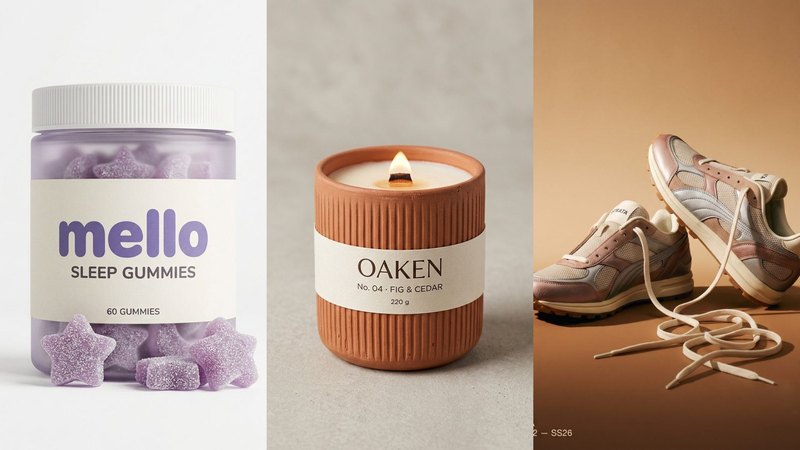
Short answer: yes, in almost every case. The longer answer is where the trouble starts, because each platform says it in different words, and one of them has a rule about AI people that quietly catches a lot of sellers.
We make AI product images and video ads for DTC brands, so we read these policies the way a nervous seller does: looking for the line that gets a listing pulled. Below is what the official rules actually say, in plain English, with examples from our concept brands — MELLO (sleep gummies), OAKEN (a fig and cedar candle) and STRATA (a trail running shoe). They're concept brands we built to test this work, not clients.
So, are AI product images allowed? Let's take the three platforms one at a time.
1. The rule all three share: the image has to match the real product
Before any platform-specific detail, there is one rule underneath all of it, and it never changes: the image must accurately represent the product you're selling. Amazon says it in its image guide. Etsy says it in its Creativity Standards. Every consumer-protection regime says it too, because an image that oversells is a misleading ad whether a camera or a model made it.
This is the line we hold on every AI image. The method you make it with is not the problem. A gummy that looks bigger than it ships, a candle in a glass jar when the real one is terracotta, a shoe in a colour you don't sell — that's the problem, and it's a problem no matter how the picture was made.
2. Amazon: AI images are fine; the people rule is the catch
Are AI product images allowed on Amazon? Yes — its product image guide does not ban AI-made images. It cares about the result: the main image must accurately represent the product on a pure white background (RGB 255, 255, 255), with the product filling about 85% of the frame, the whole product in shot, shown once, and no added text, logos or watermarks. A clean AI packshot of MELLO on white passes those rules the same as one made any other way.
The catch is people. Amazon now has an AI-generated people disclosure. If an image features a photorealistic person who was *entirely* generated by AI — not a real person — some jurisdictions require you to flag it. You do that by adding the keyword `contains-synthetic-performer` to the image's IPTC metadata (the `dc:subject` field), not by writing anything in the listing. You do not need it if the image shows a real person (even one edited with AI tools), shows no people, or shows a person who clearly isn't photorealistic.
In practice this is why, for a supplement jar like MELLO, we keep the hero shots product-only and handle any "person holding it" images with that disclosure in mind.
3. Etsy: the listing photo has to be your real, final item
Etsy is the one people get wrong, because Etsy allows AI and restricts it in the same breath. Under its Creativity Standards (last updated 10 June 2025), seller-prompted AI creations are allowed as "designed by a seller" — but you must disclose the use of AI in the listing description, and selling AI prompt bundles is banned outright.
Here's the part that trips up image-makers: for items *made* or *handpicked* by a seller, Etsy requires the listing to use "original photo or video content of the final product." For a handmade item like our OAKEN candle, that means the listing photo has to be of the real, finished candle you'll actually post — not a fully AI-dreamed candle that merely resembles it. Using AI to clean a background or build a lifestyle scene around a photo of your true product is a different thing from inventing the product itself, and the honest test is simple: does the buyer receive exactly what the image shows?
So on Etsy: AI in the making, disclosed — fine. AI as a stand-in for a real product photo on a handmade listing — not fine.
4. Shopify: your store, your call (and Shopify hands you the tools)
Shopify isn't a marketplace with a listing-approval gate — it's your own store. There's no Shopify team vetting your images, so there's no permission to ask. In fact Shopify ships its own AI image tools: the file editor's media generation (Shopify Magic) removes backgrounds and generates new ones from a prompt. The platform is openly fine with AI product images.
What doesn't disappear on your own store is the law. Truth-in-advertising rules still apply, and if you sell into markets with AI-labelling requirements, those follow the product, not the platform. For a STRATA shoe we'd use AI freely for scenes and colourways we actually stock — and never for a colour or feature the real shoe doesn't have.
5. How we keep AI images marketplace-safe
The same short checklist covers all three platforms:
- Lock the product first. Start from one clean photo of the real item, and check every generated image against it, letter by letter on the label. Our full routine is in the AI product image checklist.
- Don't overstate. No size, colour, finish or contents the buyer won't receive.
- Mind the people. If a photorealistic person is fully AI-made, tag Amazon's metadata; if a market needs disclosure, disclose it.
- Keep the main image clean. White background, whole product, no stray text — the fastest way to fail Amazon is a busy main image.
- Catch the small drift. A misspelt label or an extra finger is an instant trust-killer; the ones we've caught are in 5 AI mistakes we caught.
When it's time to turn one photo into a full set of listing and ad images, that's exactly the jump covered in one photo, a whole brand kit.
Where we wouldn't use AI
This matters more than any policy loophole.
- A product you can't actually ship. If the real item doesn't exist yet in the exact form shown, the image is a promise you can't keep. Make the product first.
- Results or before-and-after claims. Anything implying what a product *does* has to be real, and on marketplaces it's a compliance problem fast.
- Faking a handmade item on Etsy. The listing photo has to be your true final product. Full stop.
- Real endorsers. If a campaign is about an actual person, use the actual person.
So, are AI product images allowed? On all three platforms, yes — as long as the image tells the truth about the product. Labelled, accurate, good-looking AI images sell fine. Dishonest ones get listings pulled, on any platform.
What it costs, roughly
A studio shoot for a full product set typically runs $2,000 or more and takes 2–3 weeks, with samples posted in and back. Doing it yourself with ChatGPT or Gemini costs a subscription and your time, and you check every label and every rule yourself. Our Pilot is $199 for 8 images and a 15-second vertical video in 5 days, made from the photo you already have, and we build to these marketplace rules from the start. Here's the side-by-side comparison.
Do it yourself, free
Everything above is written out step by step, with the exact prompts, in our free library — no email, no sign-up. Start with the AI product image checklist.
If you'd rather we did it, send one photo of your product and we'll send back a direction.
The free guides behind it.
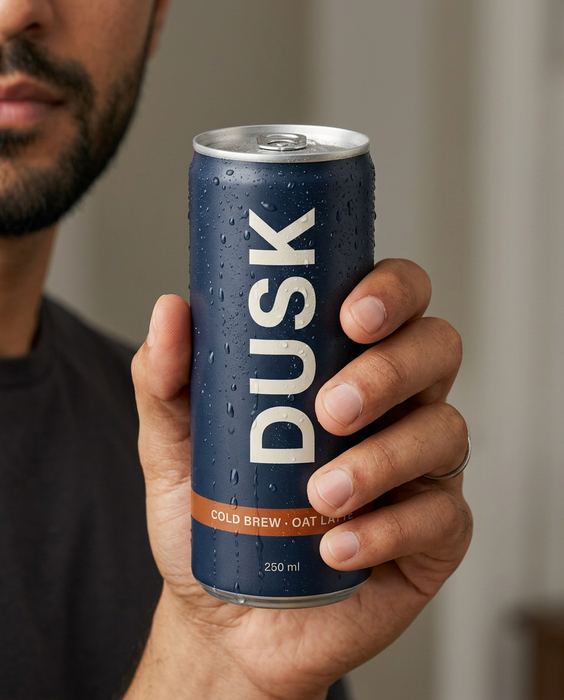 Step 01 · Start here
The AI product image checklist
Lock the product, go close, test the colour, build the world. The checks we run on every set.
[ Open the guide → ]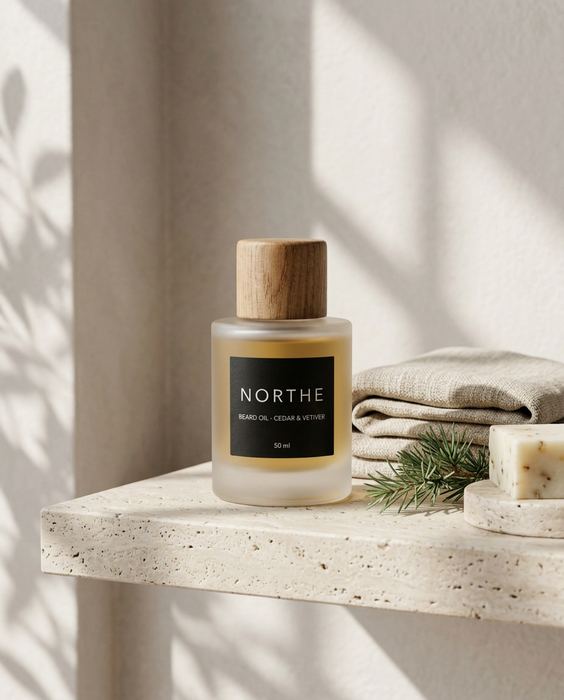 Step 15
5 AI mistakes we caught
Three hands, a misspelt label, impossible physics, the wrong build order and video drift, with the check for each.
[ Open the guide → ]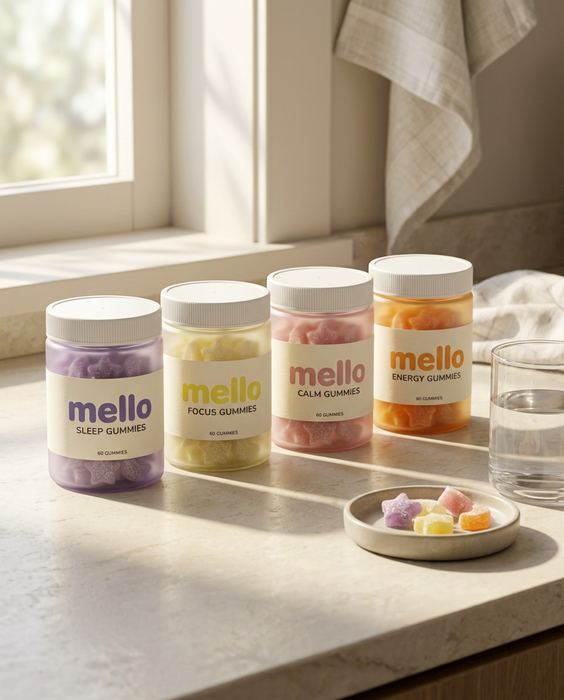 Step 10
One photo, a whole brand kit
The guide, every variant in one look, the listing image and the launch banner, from one packshot.
[ Open the guide → ]